
-
Having a flat stomach is often seen as a symbol of being athletic and fit.
-
Abdominal fat is not only dependent on exercise; healthy, balanced habits help a lot.
-
Exercises such as the cobra, back extension with fitball, bridge and reverse crunch strengthen abdominals and back.
Havinga flat stomach is a goal that almost everyone, more or less obsessively, has set at least once in our lives. Kind of like trying to achieve a kind of status symbol: a flat stomach is associated with an athletic, trained person. As a result, not having it may make you feel less fit. As Cyrus, the protagonist of the third episode of
Run Your Way
, our new podcast produced in collaboration with New Balance, having a round belly, as he called it, makes him feel less like a runner and a sportsman. As if the level of training and athletic performance is measured in inches of waistline.
Locating fat in the abdominal area does not depend solely on training, although that can certainly help. How it can help to perform some mobility and stretching exercises that not only strides but also tones the abdominal and back muscles. When combined with a healthy, balanced diet, they can help make you more toned. It is precisely by adopting a set of correct habits that you will be able to make a difference. After all, you know, it all adds up.
The cobra
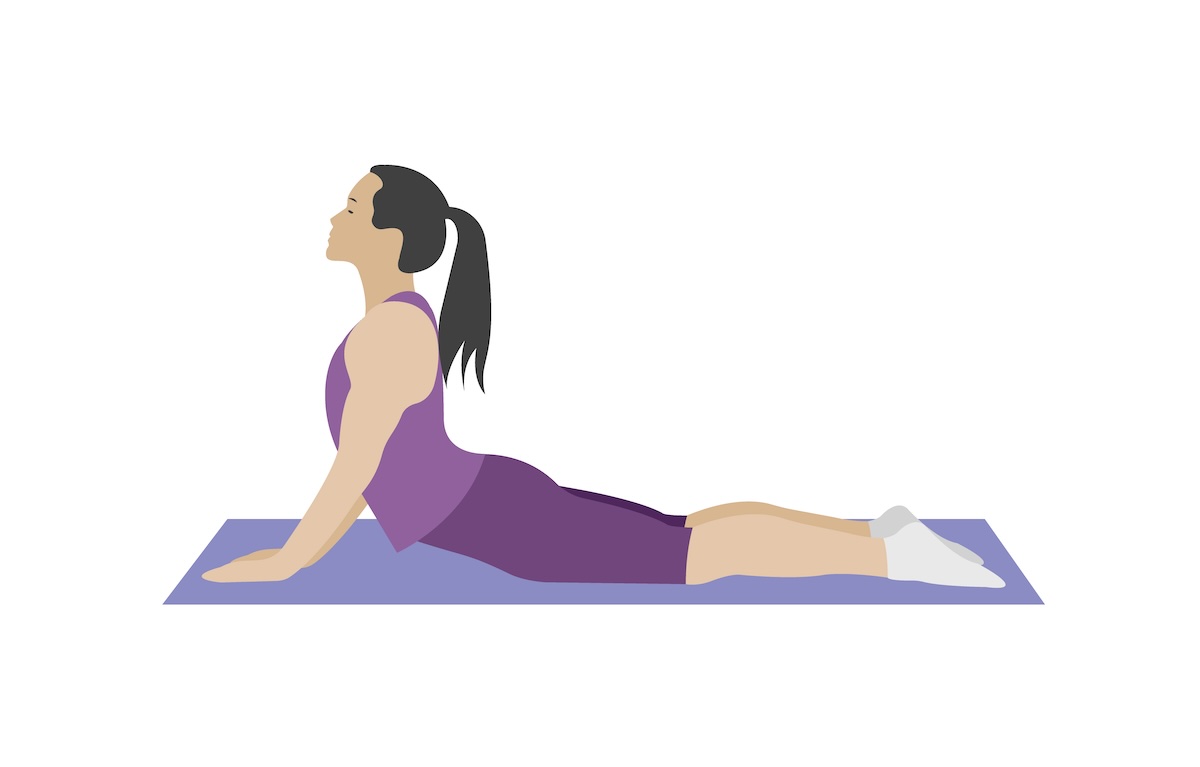
A yoga posture that you have surely heard of at least once before, and may have even tried your hand at. Just lie face down in a prone position, fold your arms and rest your hands at shoulder height. Push with palms against the floor as if you wanted to push it away from you. The legs remain taut behind you. Controlling your breath, continue to slowly straighten your arms until your chest is lifted off the floor. Keep your gaze upward, never forgetting to keep your belly in, but especially activating your core and gluteal muscles.
By performing the cobra pose you will strides and at the same time strengthen the muscles of the abdominal tract, while also going to work with the lower back.
Back extension (with fitball)
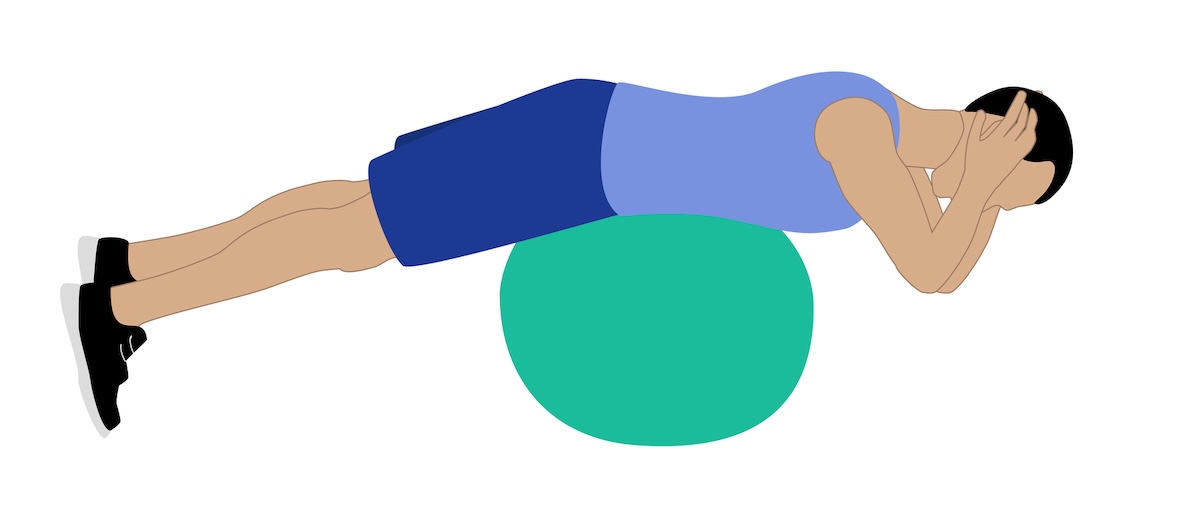
This exercise helps tone your back while engaging the muscles that involve the center of your body, namely those in your abdomen.
The starting position is always the same, lying face down but this time on a fitball on which you will have to find balance and stability so as not to fall. Just holding this position alone will force you to activate the muscles that you will stress the most by bringing your hands behind your head and raising your torso so that your body forms a straight line with your feet, which will remain stationary on the ground. Squeeze your glutes and hold the position a few seconds before descending, slowly.
The bridge

A great classic in Pilates classes. A very useful exercise for working with the back and abdominal muscles. This time you should lie supine, on your stomach, bending your knees and keeping your arms along your sides with your palm facing down. Pressing with your arms and feet on the floor, lift your hips off the ground, trying to “pitted” (pull off the ground) one vertebra at a time, until you reach full extension. Hold the position for a few seconds before descending, not abruptly but always resting one vertebra at a time. This is the basic version, but there are endless variations in which to indulge.
Reverse crunch
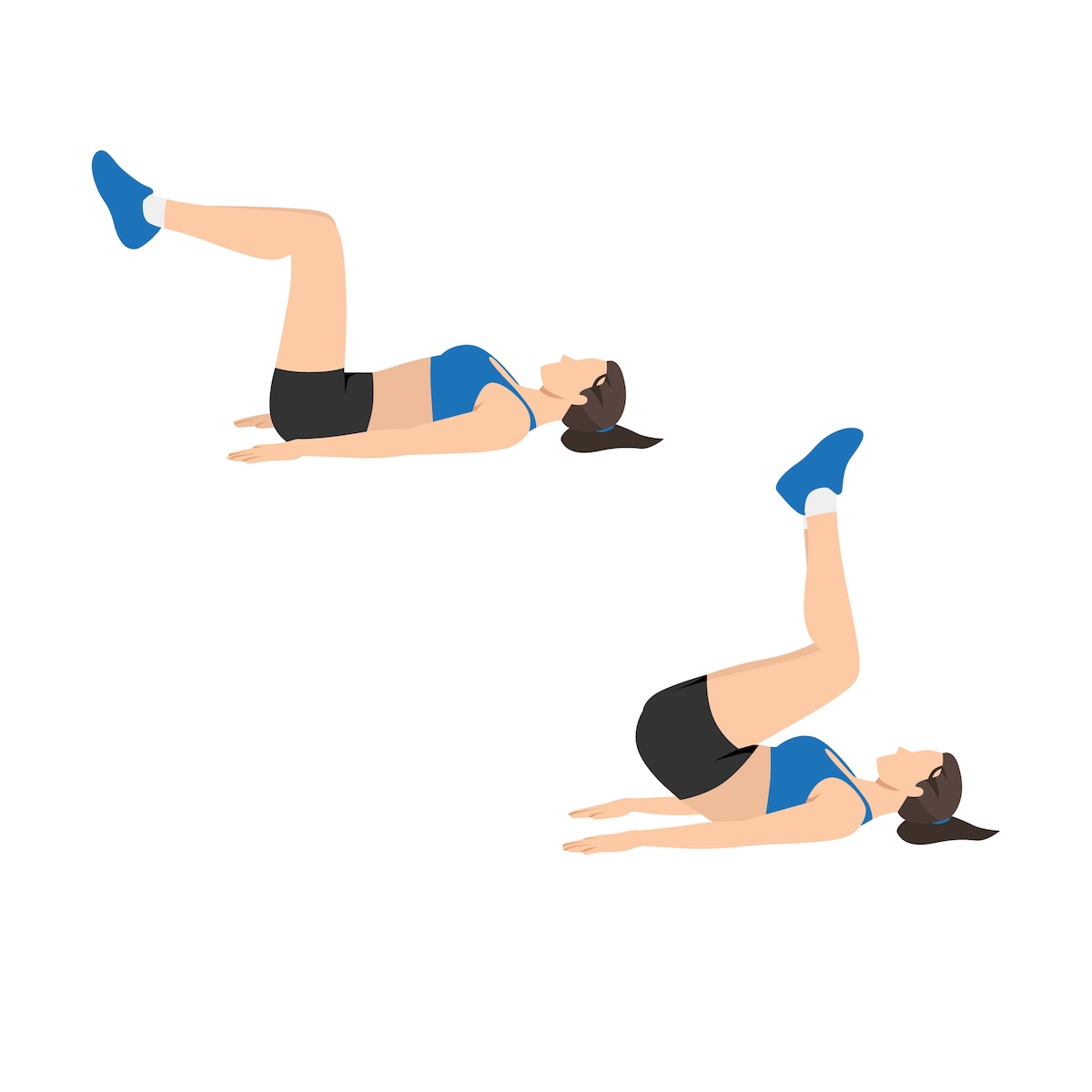
This exercise is also a great classic among practitioners and has a greater focus on the lower abdomen as well as stabilizing the spine.
Lie supine with your arms stretched out beside you. Raise both legs with control while keeping knees bent at an angle of about 90 degrees. Contract your abs, bring your knees toward your chest while lifting your hips off the floor. Then return to the starting position and repeat, unhurriedly, slowly, keeping control of each movement.
(Via shefinds)