
A four-year ban from competition was confirmed in recent days for the Kenyan athlete
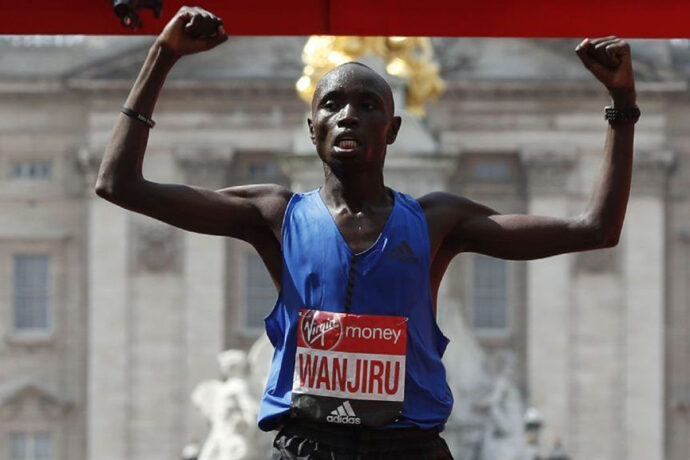
Daniel Wanjiru
, winner of the 2017 London Marathon, who was found guilty for differences in his biological passport attributable to the use of doping substances. Whenever I read such news, if the person being convicted is a professional athlete, maybe even a high-level one who has won major competitions like Wanjiru, I feel A mixed sense of bewilderment and contempt, because I feel mocked by the athlete who cheated to win, and I can’t help but imagine that there may be motives behind it that are more related to economic interests and the “need” for a level-headed athlete to win than the pursuit of the personal glory.
Professional athletes, however, and this is the thing that really leaves me speechless, are just the tip of the iceberg of a phenomenon that has become increasingly common among amateurs as well, who just so they can show off the ham and wine they won at the mezzamaratonadeltrentafebruary and make nice with friends for the one hundred and third place (out of one hundred and four) at the ten-kilometerlungomare are willing to risk their health by taking whatever substance might allow them to take two seconds off the time they would normally do.
I
WADA data
, the world organization that deals with standards and keeps track of all doping controls done by national agencies, in its latest report indicate a very worrying trend, with Italy (alas) having the highest percentage of positive athletes. It must be said that NADO, the body in charge of doping controls in Italy, has a very widespread presence and also acts at the level of amateur sports with
many controls
(perhaps always too few, however, given how widespread the phenomenon is among amateurs).
Another aspect (not only Italian, for some things all the world is a country) is that many of the athletes found positive have tried to justify after the fact the use of a drug for therapeutic purposes (and for some, it must be pointed out, it has actually been proven to have happened), use that is in any case strictly regulated and must be reported in advance through the
TUE
(Exemption for therapeutic purposes). If, for example, you hit your elbow on an edge hard, it swells and hurts, and you want to put cortisone ointment on it, but you are enrolled in the sevenmigliadivalloncello of the following Sunday and you want to participate at all costs, you can go to the NADO website, download the template and submit it, so that you do not risk a penalty for lawful use of a drug. Even better if you get help in filling it out from your doctor, so you can be sure of dosage and dosage (DIY is an enemy with any medicine, especially in these cases). It still only takes a few minutes. But think about it, is it worth running if you are taking medication? Is that race really that important?
On RunLovers, the name says it all, we like to run and we like to share what beautiful things running gives. Running also has a competitive aspect of course, and this is still good, because it pushes us to improve ourselves, whether we are running to win against others or to beat our previous day’s selves, but competitiveness stops if it collides with loyalty and make it on your own, if it prevents us from enjoying ourselves to the fullest and feeling each small or large achievement completely our own.
If winning, or surpassing our previous record has a higher cost than what we paid with sweat and training, is it really worth it? I don’t think so, no.
There are only
Five unique pills that can make us go faster
, we use those. Ah yes, then we can also.
Relieve pre-race tension in other ways
, and it’s also this training, right?
Photo credits: Harold Hollingsworth on flickr / Yahoo!