
Protein supplementation, second installment: after whey protein and casein, a favorite among athletes, it’s your turn to learn about the other proteins available to you to best supplement your diet.
Egg protein
These are ovalbumin, proteins extracted from egg white or whole egg through various techniques[Kreider et al., 2009; Driskell et al.,1999]. They are also called Egge Protein or EP. Unlike casein, egg protein has a higher solubility, so it is more easily mixed. Think, for example, of cooked egg; it has an absorption rate of 3g per hour. This means that complete absorption of an omelet containing 20 g of protein (three large eggs) takes about seven hours. Such slowing down can help reduce amino acid oxidation and thus promote greater positive protein balance for the whole body. However, due to high costs and not always adequate palatability, most athletes prefer other protein sources. Studies comparing the effects of ovalbumin versus casein and WP (post-exercise) revealed that there was no significant difference on promoting nitrogen retention[Driskell et al.,1999].

Soy protein
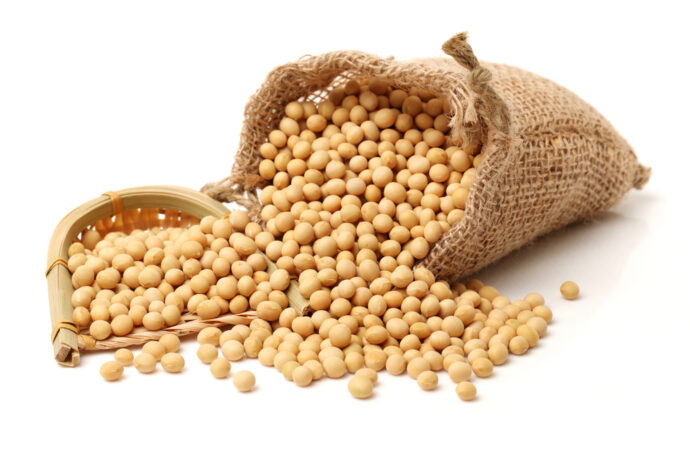
SP, or Soy Protein, is the only plant-based protein source considered to be of high quality due to its high concentration of essential amino acids(except methionine). Through extraction with water or water and alcohol, concentrated or isolated soybean proteins can be obtained from soybeans[Driskell et al., 1999]. Several studies have attempted to illustrate the difference between SP and milk protein in terms of muscle protein synthesis. Such work has shown that milk protein possesses a greater effect on peripheral (muscle) protein synthesis; soy protein, on the other hand, tends to increase visceral (splanchnic) protein synthesis more[Philips et al., 2009; Bos et al., 2003; Fouillet et al., 2002]. Isoflavones have a known regulatory effect on hormone production in women and have widely documented benefits in the premenopausal and climacteric phases[Kreider et al., 2009; Kurzer et al., 2002; Pino et al., 2000, Messina et al., 2016, Sathyapalan T et al., 2016).
According to some authors, these effects also reverberate on athletic performane[Kreider et al., 2009]. Other studies attribute to soy isoflavones the ability to improve bone health indicators, induce good evolution of plasma lipid profile, and lower the risk of heart disease [Sathyapalan T et al., 2016]. Isoflavones, nonetheless, would appear to possess a protective effect during the use of chemotherapeutics for the treatment of breast and prostatic malignancies. [Kreider et al., 2009; Rosenberg et al., 2002]. Other work has been conducted that, however, has questioned the long-term health impact of a diet high in phytoestrogens (especially for male athletes); further in-depth research will be needed in this regard in order to corroborate either thesis. Due to its low glycemic index and intermediate digestion kinetics (between WP and casein), supplementation with SP can be recommended either as a sole protein source, in isolated form, or in combination with milk protein.
WHAT PROTEINS THEN TO USE FOR SHORT-TERM MUSCLE RECOVERY? AND IN THE LONG TERM?
Whey, as covered above, allows a good dose of amino acids to be quickly sent to the muscles for recovery; we must also keep in mind the high content of leucine, which is considered the most important amino acid for speeding recovery and improving performance.
Casein, on the other hand, has slower absorption and therefore possesses long-term plastic formation. The side effect is low digestibility. If the runner experiences gastrointestinal problems in conjunction with taking a powdered cow casein preparation, he or she may use a goat milk product. Such powders in fact contain 89 percent less casein than those made from cow’s milk, but they are still an excellent supplement.
When is plant protein used?
Though all athletes can benefit from their potential in aiding muscle recovery and boosting immunity, plant proteins are mostly used by athletes who are vegetarians, vegans or lactose intolerant. Soy would even appear to be better than the protein in animal products in terms of synthesis in assisting protein synthesis at the muscle level. Runners with an established soy intolerance can use a pea flour product as a viable alternative. Vegetable powders have a strong flavor that often makes them taste unpalatable. In some preparations this organoleptic characteristic may be masked by using natural or artificial sweeteners. With a view to a diet low in simple sugars, it is always desirable to check the label before purchasing the preparation.
Be careful with additives
Many companies add certain ingredients to their products to further enhance recovery. Sometimes it is simply higher concentrations of amino acids already present in protein, such as glutamine or leucine. In some cases, protein powders are fortified with carnitine, whose usefulness is not preponderant in endurance athletes.
Finally, it should not be forgotten that most protein powder preparations also contain a carbohydrate quota. A carbohydrate-to-protein ratio of 3:1 or 4:1 can optimize recovery, but it also necessarily involves an increase in calories intake. In order not to unbalance the caloric intake too much in favor of carbohydrates (especially simple carbohydrates), the ideal would be to consume protein-only powdered preparations to which natural sources of carbohydrates (e.g., a banana or other fruit) are added.
Main image credit: bogdan.hoda. More images: CobraCZ, jianghongyan on DepositPhotos.com
BIBLIOGRAPHY
-
Negro M. et al. CHAPTER 11 INTEGRATORS AND SPORTS SUPPLEMENTS 1 (PLASTICS) in SANIS Handbook pp. 161-164
-
Hulmi JJ, Lockwood CM, Stout JR. Effect of protein/essential amino acids and resistance training on skeletal muscle hypertrophy: A case for whey protein. Nutr Metab. 2010;7(51).
-
Kreider RB, Leutholtz BC, Katch FI, Katch VL. Exercise and sport nutrition. Santa Barbara, CA: Fitness Technologies Press; 2009
-
Tipton KD, Elliott TA, Cree MG, Wolf SE, Sanford AP, Wolfe RR. Ingestion of casein and whey proteins result in muscle anabolism after resistance exercise. Med Sci Sports Exerc. 2004;36:2073-81.
-
Mahé S, Messing B, Thuillier F, Tome D. Digestion of bovine milk proteins in patients with a high jejunostomy. Am J Clin Nutr. 1991;54(3):534-8.
-
Dangin M, Boirie Y, Garcia-Rodenas C, Gachon P, Fauquant J, Callier P, et al. The digestion rate of protein is an independent regulating factor of postprandial protein retention. Am J Physiol. 2001;280(2):E340-8.
-
Phillips SM, Tang JE, Moore DR. The role of milk- and soy-based protein in support of muscle protein synthesis and muscle protein accretion in young and elderly persons. J Am Coll Nutr. 2009;28(4): 343-54
-
Phillips MS. A brief review of critical processes in exercise-induced muscular hypertrophy. Sports Med. 2014;44 Suppl 1:S71-7
-
Mahe S, Roos N, Benamouzig R, Davin L, Luengo C, Gagnon L, et al. Gastrojejunal kinetics and the digestion of [15 N] beta-lactoglobulin and casein in humans: the influence of the nature and quantity of the protein. Am J Clin Nutr. 1996;63(4):546-52.
-
Demling RH, DeSanti L. Effect of a hypocaloric diet, increased protein intake and resistance training on lean mass gains and fat mass loss in overweight police offi cers. Ann Nutr Metab. 2000;44(1):21-9.
-
Reidy PT, Walker DK, Dickinson JM, Gundermann DM, Drummond MJ, Timmerman KL, Fry CS, Borack MS, Cope MB, Mukherjea R, Jennings K, Volpi E, Rasmussen BB. Protein blend ingestion following resistance exercise promotes human muscle protein synthesis. J Nutr. 2013;143(4):410-6.
-
Driskell JA, Wolinsky I. Energy-yielding macronutrients and energy metabolism in sports nutrition. New York: CRC Press; 1999.
-
Bos C, Metges CC, Gaudichon C, Petzke KJ, Pueyo ME, Morens C, et al. Postprandial kinetics of dietary amino acids are the main determinant of their metabolism after soy or milk protein ingestion in humans. J Nutr. 2003;133(5):1308-15.
-
Fouillet H, Mariotti F, Gaudichon C, Bos C, Tomé D. Peripheral and splanchnic metabolism of dietary nitrogen are differently affected by the protein source in humans as assessed by compartmental modeling. J Nutr. 2002;132(1):125-33.
-
Fouillet H, Mariotti F, Gaudichon C, Bos C, Tomé D. Peripheral and splanchnic metabolism of dietary nitrogen are differently affected by the protein source in humans as assessed by compartmental modeling. J Nutr. 2002;132(1):125-33.
-
Pino AM, Valladares LE, Palma MA, Mancilla AM, Yáñez M, Albala C. Dietary isofl avones affect sex hormone-binding globulin levels in postmenopausal women . J Clin Endocrinol Metab. 2000;85(8): 2797-800.
-
Messina M., Soy and Health Update: Evaluation of the Clinical and Epidemiologic Literature, Nutrients 2016, 8, 754; pp. 1-42, doi:10.3390/nu8120754
-
Sathyapalan T et al, The effect of soy phytoestrogen supplementation on thyroid status and cardiovascular risk markers in patients with subclinical hypothyroidism: a randomized, double-blind, crossover study,
J Clin Endocrinol Metab.
2011 May;96(5):1442-9. doi: 10.1210/jc.2010-2255. Epub 2011 Feb 16. -
Rosenberg Zand RS, Jenkins DJ, Brown TJ, Diamandis EP. Flavonoids can block PSA production by breast and prostate cancer cell lines. Clin Chim Acta. 2002;317(1):17-26.