

Every weekend, we pick the best stories published in Goodmorning Runlovers, the newsletter edited by Andrea Corradin that you can read in less than a minute.
It arrives in your inbox every day Monday through Friday, by 8:30 a.m.
If you are not a member just click on this link or the banner above.
We normally think that events like the most famous marathons have always existed.
Instead, someone invented them.
Who has been able to do so much good for the city and its inhabitants, as in the case of Horst Milde in his Berlin.
It happens tothink that there is a perfect time to accomplish something important.
In a quest for perfection, which does not exist.
Today Berlin is considered one of the running capitals of the world.
An influential city for running both culturally and athletically.
Much of the credit goes to Horst Milde, the man who taught Berliners to run.
And he did it in the most difficult years.
When the Berlin Wall had just split people’s lives in two.
In a context of social and political tensions.
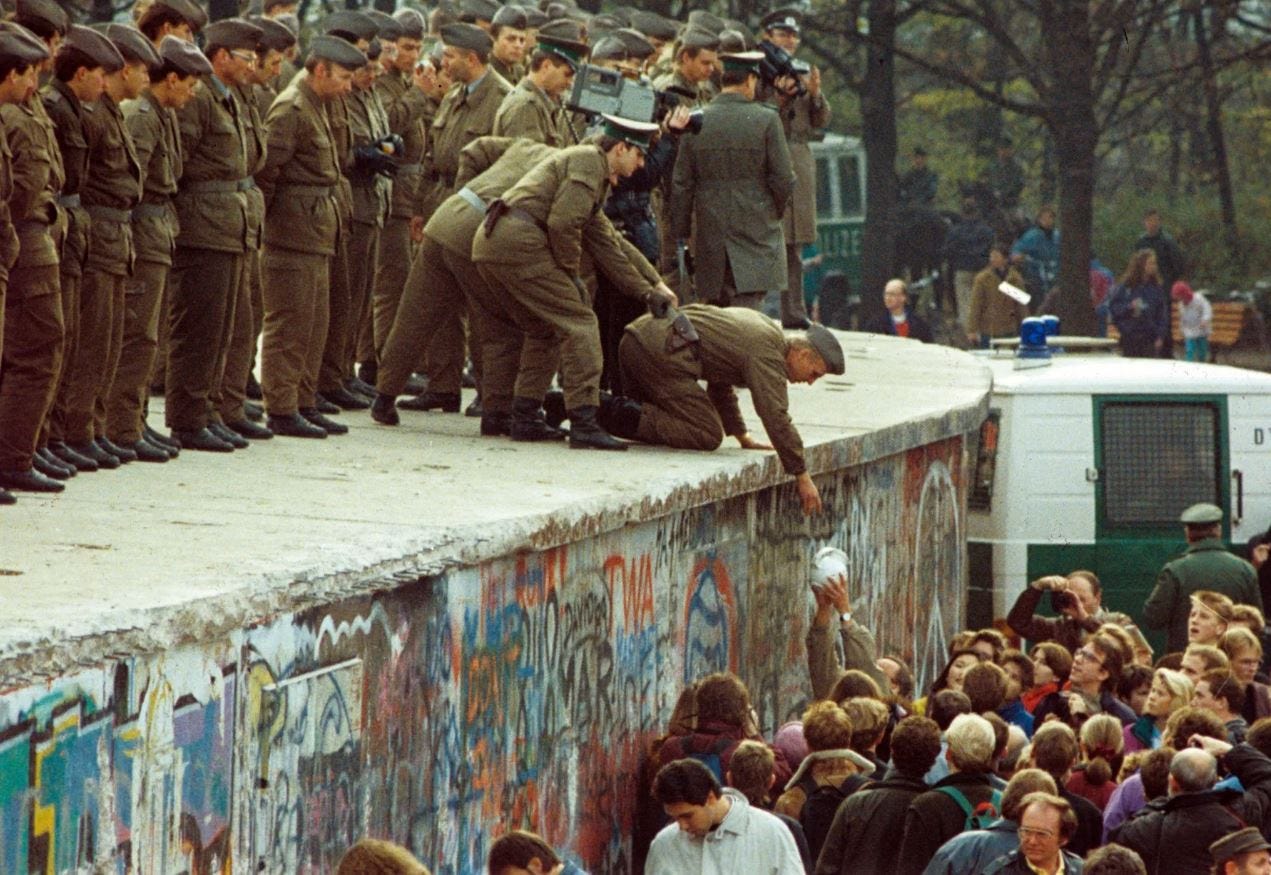
Photo rights: Time – AP Images
Horst, a young student with a passion for running, had started organizing city races with the university.
Then in 1974, with a few volunteers and 286 participants, he organized the first Berlin Marathon.
Open to the entire population.
An attempt to unite people through sport.
Then for decades he continued to run the historic family bakery with his wife Sabine, and in the backroom the best ideas came to him.
The ones that made him a pioneer in European running.
So he founded and organized hundreds of events: a women’s race in the Tiergarten park.
The Berlin Half Marathon.
The first race after the fall of the Wall on November 12, 1989.
The New Year’s Day run on Jan. 1, 1990 with more than 20,000 participants crossing the city from Overst to the East for the first time in 28 years.
A visionary according to those who worked with him.
Charismatic to the friends he involved as volunteers in all his events.
Assertive according to mayors, policemen, and ambassadors with whom he dealt to authorize the events he envisioned.
His dedication inspired generations of runners and helped make Berlin a better city through sports.
By connecting people.
Overcoming divisions.
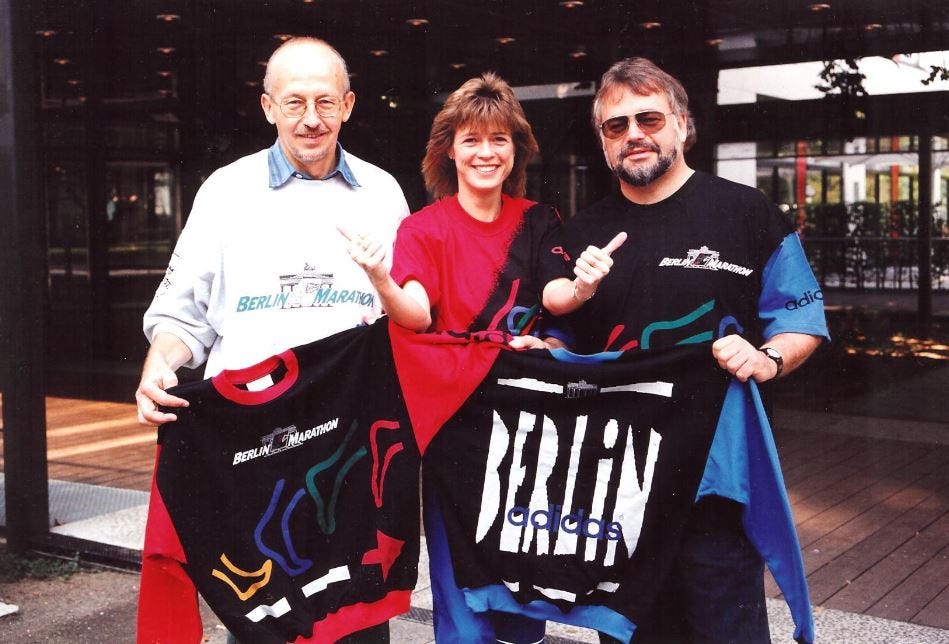
We managed to shake up the population with these running events, pushing people to think about their health.
We have succeeded in integrating young people and people with disabilities, turning Berliners into runners or at least spectators of the Berlin Marathon.