
- “Dead Butt Syndrome”-or “dull” buttocks syndrome-can impair running.
- There are several causes: you spend too many hours sitting, you have the wrong running technique, and you don’t do enough targeted exercises.
- But there is a solution: specific workouts and more attention to posture.
Perhaps you’ve experienced it yourself, or you know someone who has—or still does. It could be slowing you down, even causing you pain. The problem? Your glutes aren’t working as they should. And since the gluteus is the largest muscle in the body, you can imagine why that’s a big deal.
Yet, you exercise, you run, you feel fit—but something’s off. Maybe it’s a nagging ache in your lower back. Maybe your hamstrings always feel like over-stretched violin strings. And worst of all? You can never quite unleash the power you know (or think) you have when running.
If any of this sounds familiar, you might be dealing with a phenomenon that has a funny name but frustrating consequences: it’s called “Dead Butt Syndrome.” or, in medical terms, gluteal amnesia.
Wake up!
Your glutes aren’t just the biggest muscles in your body—they’re among the most powerful (though, technically, your jaw muscles take the top spot). They play a crucial role in running, which means if you’re suffering from gluteal amnesia, it’s like your engine is stuck in neutral—or worse, completely seized up.
Technically, this happens when the gluteus medius and gluteus maximus fail to activate properly. When that happens, your body compensates by recruiting other muscles—overworking your hamstrings, hip flexors, and lower back.
And when a muscle works harder than it should? You already know how that story ends: pain, tightness, postural imbalances, decreased performance, and a higher risk of injury. All because one (very large) muscle has decided to take a nap.
Why it happens (even if you run a lot)
If you spend most of your day sitting—at work, in the car, on the couch—your glutes get used to not doing their job. And unfortunately, they don’t just snap back to life the moment you start running. In fact, running won’t fix the issue—especially if your form is off or your posture is imbalanced. It could even make things worse.
The only solution? Targeted exercises.
Awakening: the exercises you need
If these symptoms sound familiar, try these exercises—they won’t do you any harm, even if your glutes are working fine. But first, start with the simplest fix: sit less. Stand up and move around throughout the day. Then, add these into your routine:
Glute Bridge

Lie on your back, feet on the floor, and lift your hips by squeezing your glutes. It looks easy, but if done right, it’s anything but.
Clamshells
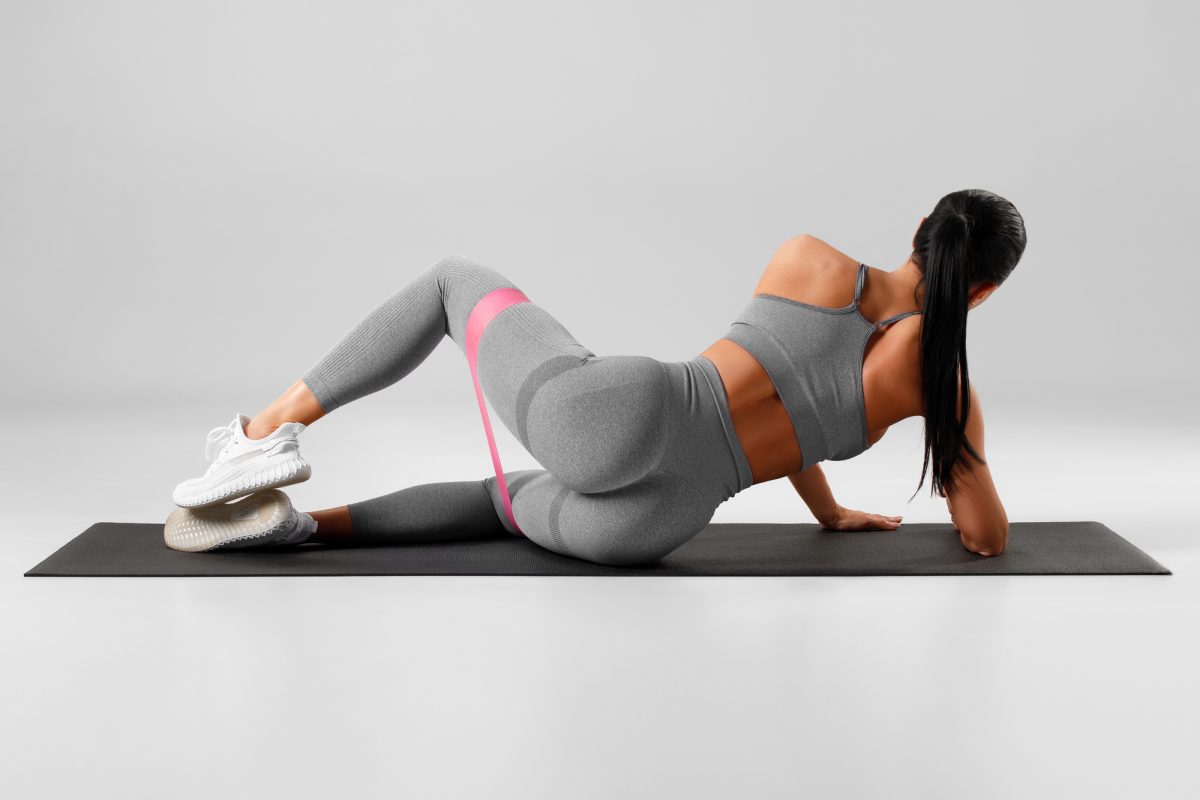
Lie on your side and open/close your knees using a resistance band. A great move for activating the gluteus medius.
Donkey kicks
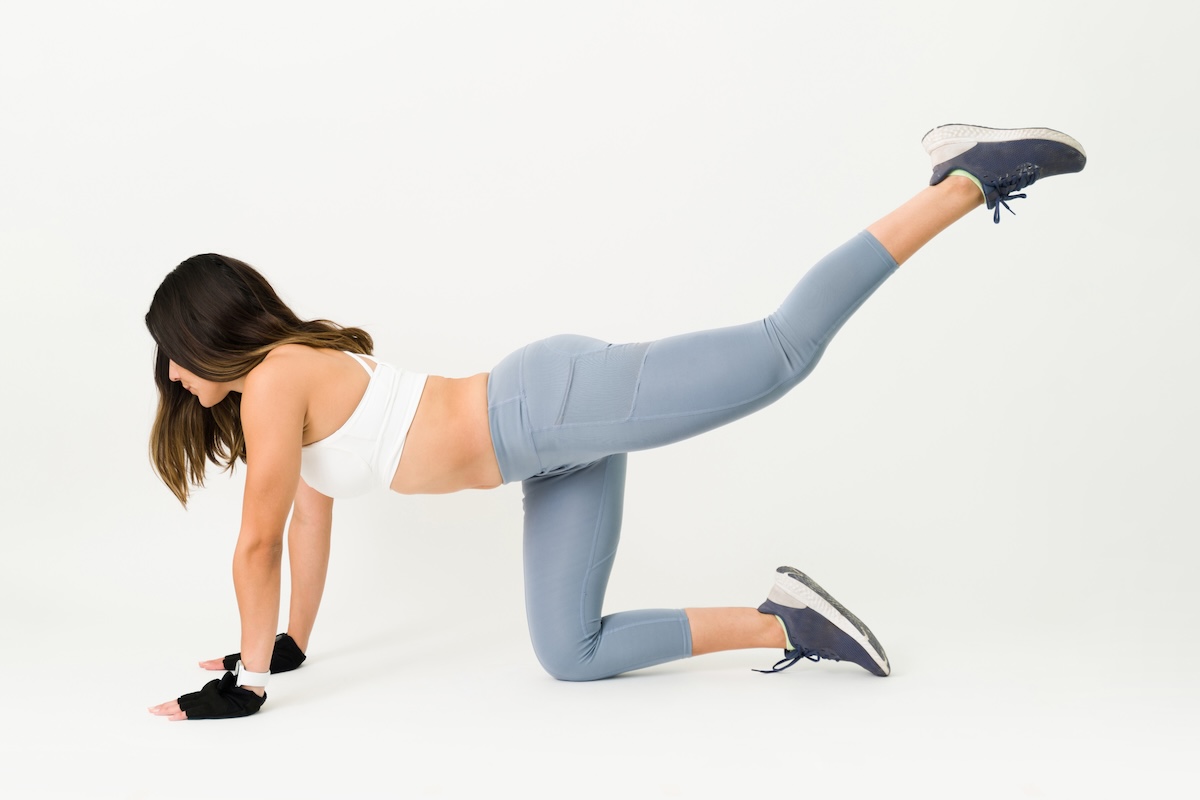
On all fours, extend one leg back while keeping your spine neutral. Simple but effective.
Squats and lunges
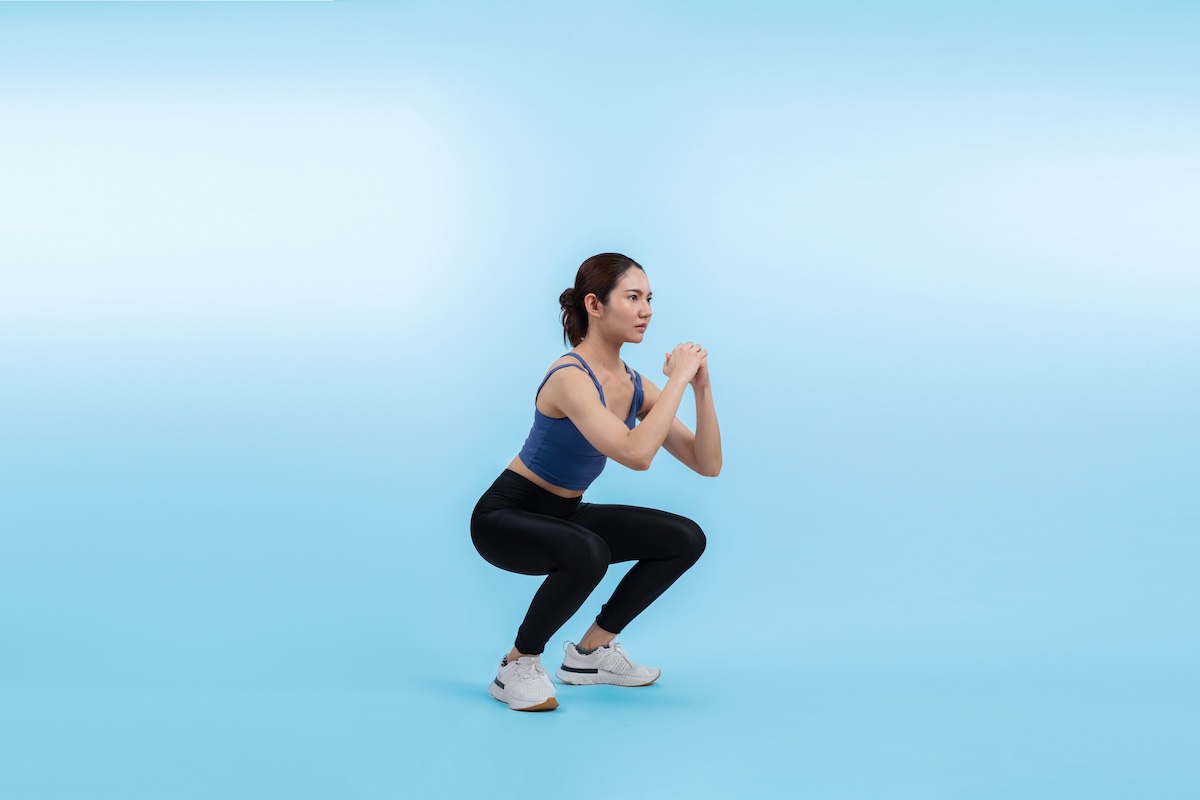
Basic moves—but only if done with proper control and technique.
Bulgarian split squat (or Bulgarian lunge)
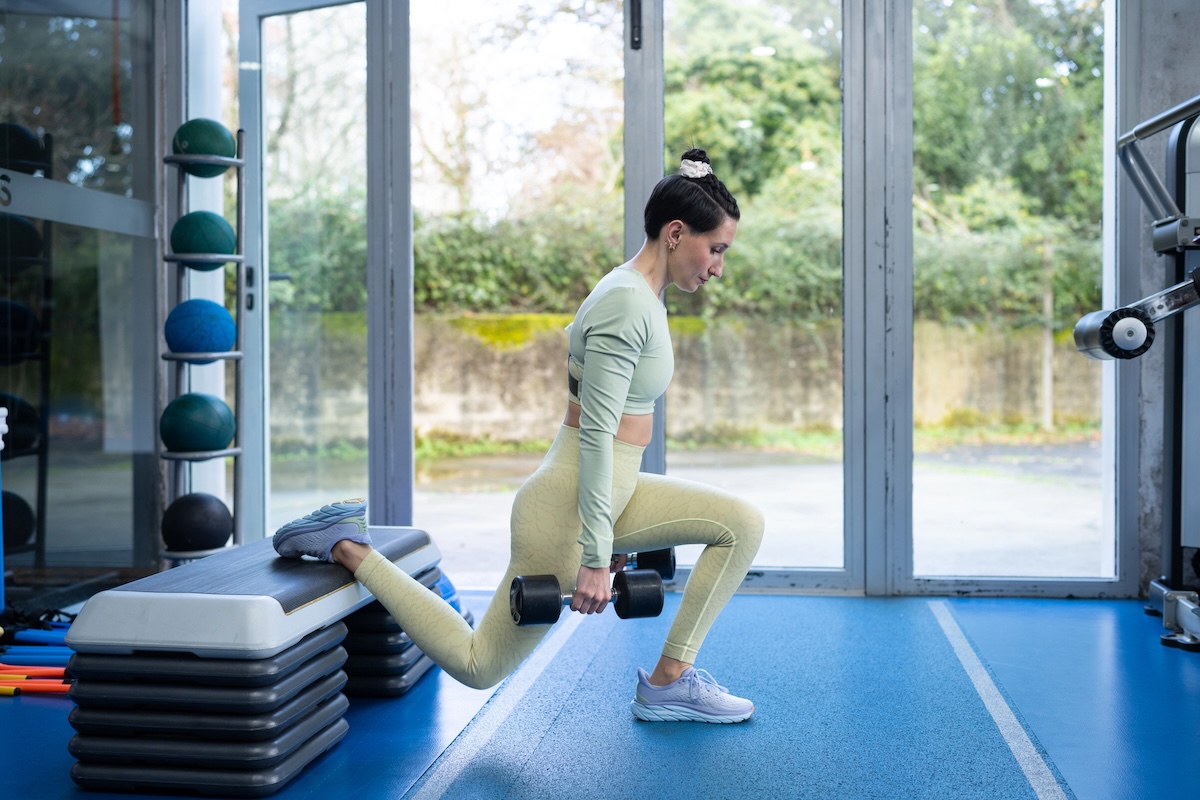
A single-leg squat with your back foot elevated. Want to make it even tougher? Add weights.
Sprints and climbs
Fast running fires up fast-twitch muscle fibers, boosting glute power.
Yoga and Pilates
Perfect for improving flexibility and body awareness.
The takeaway
If you feel like something’s off in your running—whether it’s a lack of power or unexplained aches—it’s worth focusing on glute strength. And always remember:
- Sit as little as possible.
- Do targeted glute exercises.
- Work on your running form.
Your glutes have been asleep long enough. Time to wake them up!
(Via The Manual)