- After seeing how sneakers are born, we continue to talk about the iconic models of adidas.
- We were left with 1969 and the legendary Superstars.
- Meanwhile, adidas has continued to design and produce models that have already become classics in just a few years.
Last time, we left off in 1969 with the legendary Superstars. Since then, adidas has kept pushing out designs that, in just a few years, have become true classics.
We’re wrapping up this journey through adidas’ most celebrated sneakers by looking at the hits that have come and gone over the decades. One thing’s clear: adidas seems to drop an iconic model every ten years—like clockwork.
Classic and Instant classic
Campus
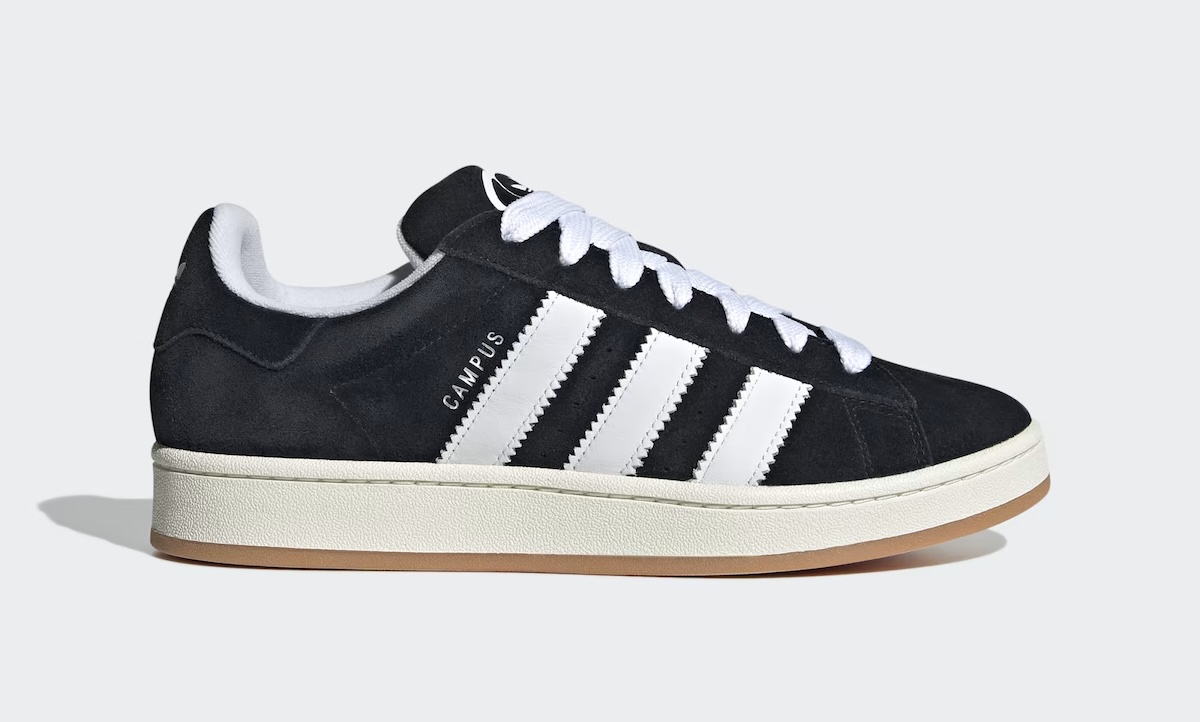
Though officially released in 1980, the Campus actually traces back to the ’70s Tournament—a basketball sneaker. One glance and you know it: low-top profile, worn-in suede, the unmistakable three stripes. The adidas Campus isn’t just a sneaker—it’s a statement.
It took on the Campus name in the ’80s to speak to the college crowd, then the streets, and eventually the world. The real turning point came in ’92, when it showed up on the cover of Check Your Head by the Beastie Boys—solidifying the link between sneakers and music. Korn echoed that in ’96 with their track “A.D.I.D.A.S.” from Life Is Peachy, which later became a capsule in 2023.
From there, the Campus found a second home in skate culture and, eventually, full-on streetwear. It evolved, but never lost its roots. There was the lavender terrycloth “Towelie” edition, complete with UV-reactive eyes (shoutout South Park). Then came collabs with BAPE, Footpatrol, and Bad Bunny—his take featured satin collars and fat laces, collectible before they even hit shelves.
Spezial
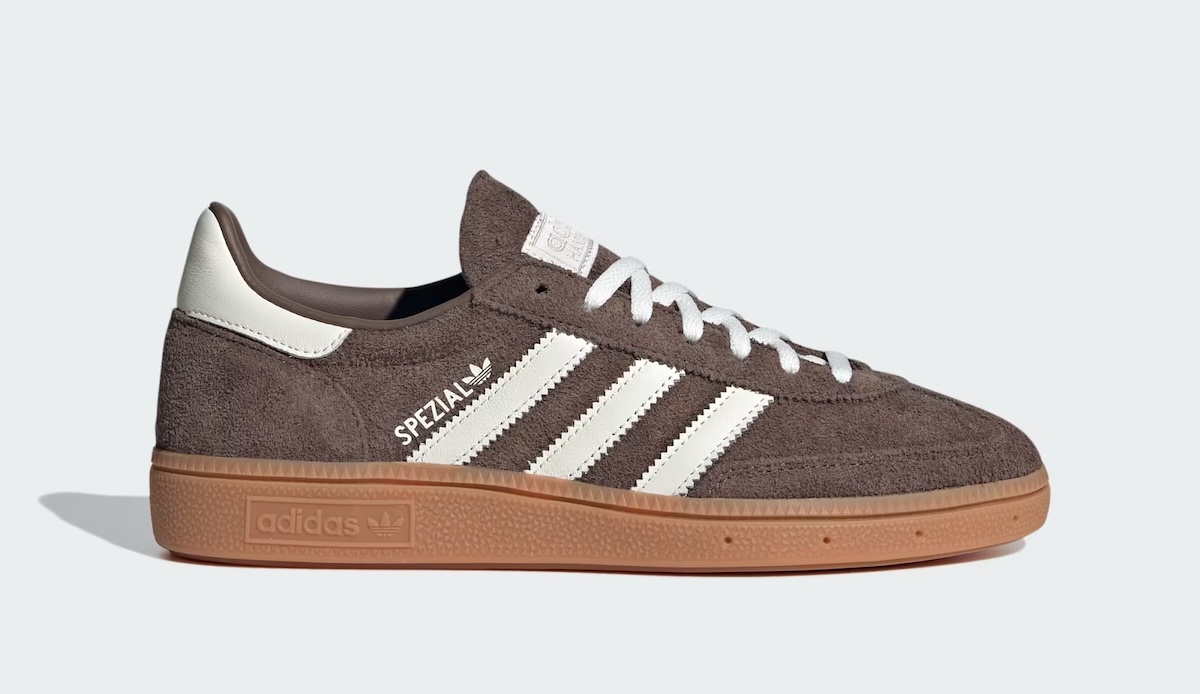
In 1979, handball needed a shoe with grip, stability, and lightness. Enter: the Handball Spezial. Suede upper, grooved natural rubber sole, and a name that says it all—“special,” in German.
It was built for the court, and it owned it. But the real story began off the hardwood. By the ’80s, the Spezial had taken over English football terraces. Fans loved its comfort and style. The casual subculture turned it into a go-to uniform—understated, tough, reliable.
Fast forward to today, and it’s back—thanks to a wave of nostalgia. Following the Samba and Gazelle revival, the Spezial returned. TikTok, style blogs, and archive accounts made it pop again. adidas took note: faithful reissues, high-profile collabs (like the one with Sporty & Rich), and even an entire line bearing its name.
It might look straight out of the ’70s, but it fits right into today’s looks. A sneaker that’s changed arenas, but stayed true to itself.
The wanderer: NMD R1
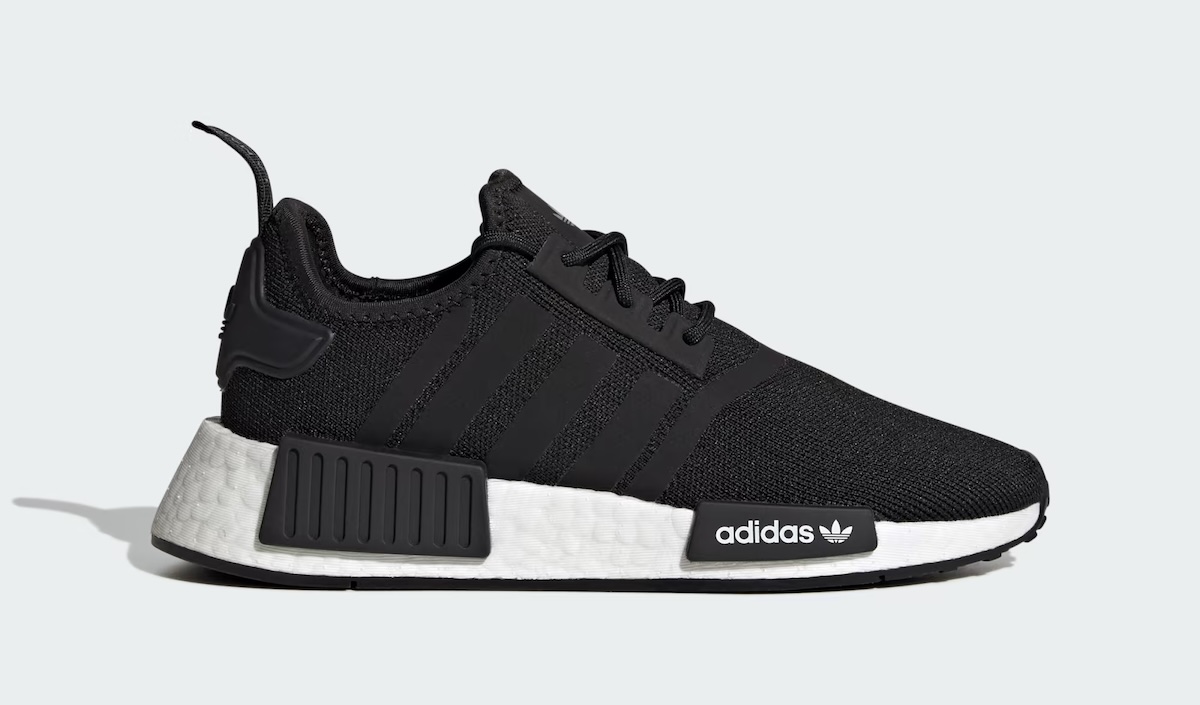
NMD stands for Nomad—and the name says it all. A sneaker for city life, fast movement, and personal flair. Launched in 2015, it blended ‘80s heritage with cutting-edge tech. It’s adidas’ most recent classic, yet somehow feels like it’s always been around.
Its construction reveals its modern roots: Primeknit upper (a new adidas innovation at the time), Boost midsole, and those unmistakable EVA side plugs—future-meets-retro design. Created by Nic Galway for “urban nomads,” the NMD quickly became a cult favorite.
Its New York debut was a limited drop that sold out in minutes, then reappeared on the resale market with sky-high prices. It landed at the perfect time—during the Yeezy and Ultra Boost craze—but with its own unique identity.
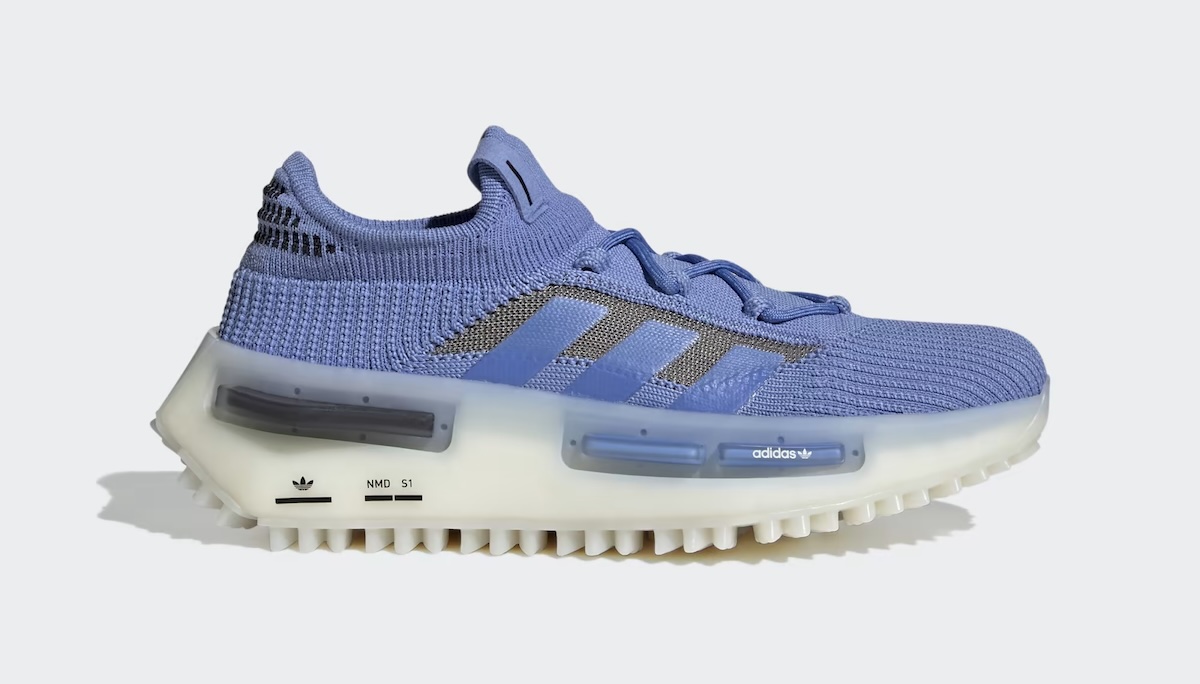
Then came the spin-offs: the laceless City Sock, sleeker versions like the R2 and V3, platform styles like the W1, and the stylish upgrade, NMD_S1. And let’s not forget the collabs: Pharrell’s vibrant, message-driven Human Race line, BAPE’s game-changing camo, rare drops like the Pitch Black and Overkill Firestarter. Every time—instant sellout.